Anxiety Relief Bundle: 7-Day Calm Plan & Toolkit
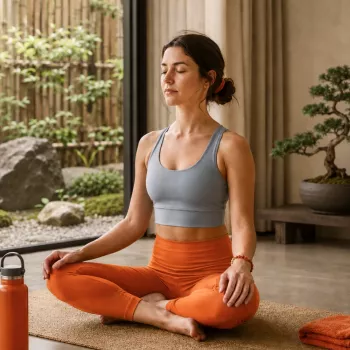
The Anxiety Relief Bundle: A Path to Calm — A 4-in-1 Toolkit for Mindfulness, Positive Thinking, and Daily Grounding
Anxiety often shows up as racing thoughts, tension in the body, and a constant sense of urgency. A steady path back to calm usually comes from small, repeatable practices that work together: calming the nervous system, redirecting thinking patterns, and using simple structure to stay consistent. The Anxiety Relief Bundle: A Path to Calm (4-in-1 Bundle) is a digital set built around micro-practices—mindfulness exercises, positive thinking prompts, a printable checklist, and a course-style outline—to support daily regulation and resilience.
If anxiety is persistent or disruptive, it can help to understand what’s going on in the body and brain and when extra support is appropriate. Helpful overviews include the National Institute of Mental Health (NIMH) guide to anxiety disorders and the American Psychological Association (APA) explanation of stress effects on the body.
What this bundle includes
- Mindfulness exercises designed to bring attention back to the present moment through breath, body awareness, and sensory grounding.
- Positive thinking resources that encourage balanced reframing (not forced positivity) and more helpful self-talk during anxious spikes.
- A printable checklist that turns abstract coping skills into concrete steps that are easy to follow when stress is high.
- A course outline that organizes the materials into a guided progression, reducing decision fatigue and increasing follow-through.
- Digital convenience for quick access on phone, tablet, or laptop—plus printing the checklist to create a visible “calm plan” at home or work.
How the four parts work together on anxious days
- Mindfulness exercises address the body-first side of anxiety by interrupting the fight-or-flight spiral with steady attention and slower breathing.
- Positive thinking prompts support the mind-first side by reducing catastrophic interpretations and increasing flexible, evidence-based thinking.
- The checklist provides a simple sequence—notice → name → regulate → reframe → reconnect—so skills are usable even when concentration is low.
- The course outline creates a repeatable routine that builds confidence over time, especially for people who feel overwhelmed by open-ended self-help resources.
- Together, these parts support both quick relief (minutes) and longer-term change (weeks) through consistency.
Why “micro-practices” can be more realistic than big overhauls
When anxiety is high, motivation and focus often drop—so the best plan is one you can actually do. Short practices (2–10 minutes) are easier to start, easier to repeat, and easier to stack into a routine. Over time, those small reps can build a calmer baseline and a clearer “what works for me” playbook.
A practical 7-day starter plan (micro-practice approach)
This starter plan is designed to reduce friction: do one small thing daily, then build. If a day is rough, repeat a previous day rather than quitting.
| Day | Focus | Time | What to use |
|---|---|---|---|
| 1 | Grounding | 5 min | Printable checklist + a short mindfulness exercise |
| 2 | Body awareness | 5–8 min | Mindfulness exercises (body scan/breath) |
| 3 | Thought balance | 5–10 min | Positive thinking prompt + brief note |
| 4 | Reduce intensity | 5–10 min | Emotion label + mindfulness exercise |
| 5 | Use it in real time | As needed | Checklist steps during a trigger |
| 6 | Stack skills | 10–15 min | Mindfulness → reframing sequence |
| 7 | Make it repeatable | 10 min | Course outline to choose weekly staples |
Who it’s for (and when to use it)
Simple “early warning signs” to watch for
Building a personal calm routine that lasts
Supportive add-ons for overall resilience
Stress and anxiety can feel louder when basic needs are shaky. Pairing a calm routine with small health-supporting habits—regular meals, hydration, and simple planning—can make mindfulness and reframing easier to access. If you’re also rebuilding day-to-day structure around food and energy, Fuel Your Life: The Ultimate Healthy Eating Starter Bundle can complement a “path to calm” routine by supporting steadier daily rhythms.
Important notes on safety and support
- Persistent anxiety, panic attacks, or symptoms that interfere with sleep, work, or relationships may benefit from professional care alongside self-guided tools. The Mayo Clinic overview of anxiety disorders outlines common symptoms and treatment options.
- Seek urgent help if anxiety is paired with thoughts of self-harm, inability to function, or severe physical symptoms; professional and emergency resources can provide immediate support.
- Mindfulness can feel uncomfortable for some people at first (for example, when focusing inward increases distress); switching to external grounding (sounds, sights, touch) can be gentler.
- If using breathing practices, keep them comfortable and avoid breath-holding if it increases dizziness or panic sensations.
FAQ
What to do to calm anxiety?
Try a short sequence: slow your breathing or do sensory grounding, relax major muscle groups (jaw/shoulders/hands), label what you’re feeling, then use a checklist to choose one coping skill and reframe one anxious thought into a balanced statement. If symptoms are severe, persistent, or impair daily life, consider professional support alongside self-guided tools.
How quickly can mindfulness exercises reduce anxiety?
Many people notice a small shift within minutes—like a slightly slower breath or a drop in intensity—especially with grounding and gentle breathing. More meaningful, longer-term change usually comes from consistent micro-practice over weeks rather than occasional long sessions.









Leave a comment